Third-generation wooden vessels, champagne coolers, and sculptural stools planed by hand from Japanese cypress and 2,000-year buried cedar at the foot of Mount Hira. Every stave is beveled to fit watertight without nails or adhesive.
Each piece is shaped stave by stave after timber reaches stable humidity. Prices include hand-finished wooden paulownia storage boxes and direct studio dispatch from Shiga.
Kōyamaki · Copper Hoops
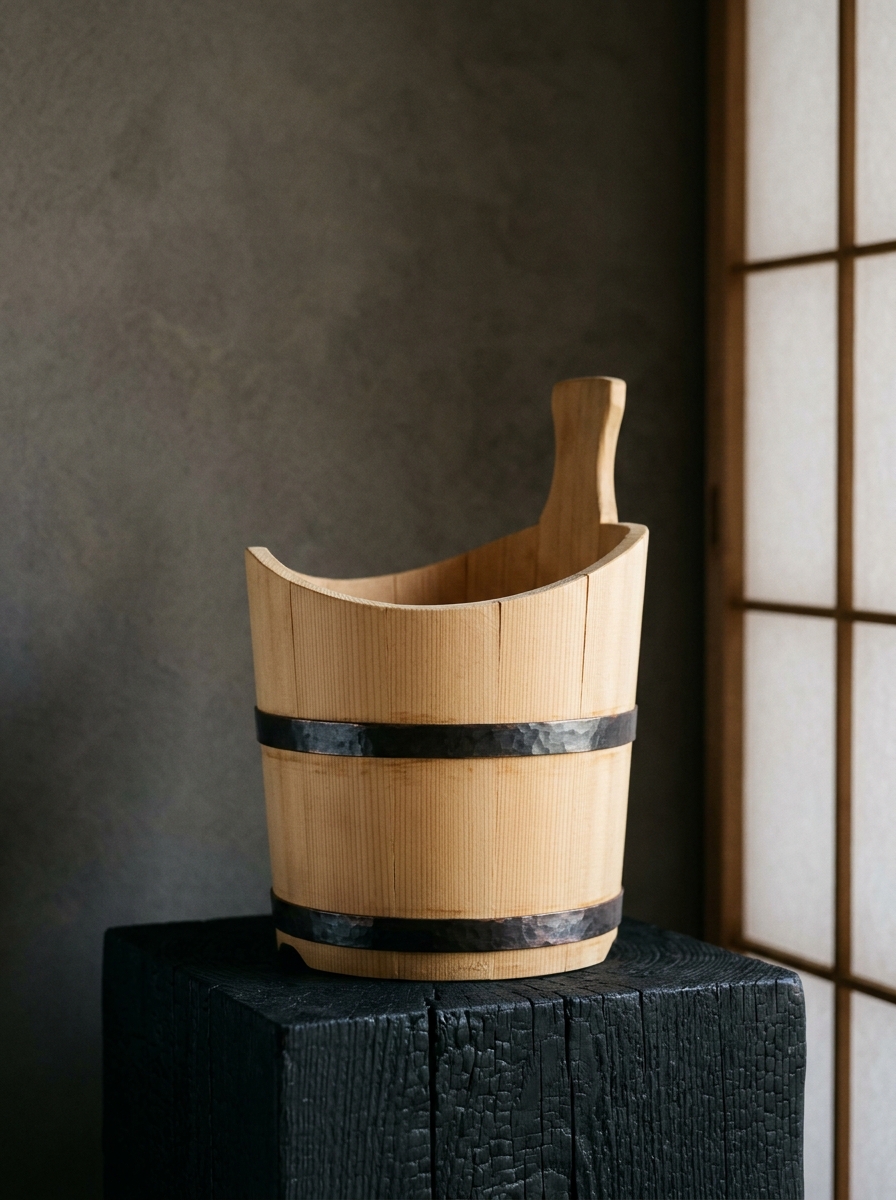
Konoha Champagne Cooler
Carved along a sweeping asymmetric leaf rim that guides condensation down the interior wall. Commissioned internationally for Dom Pérignon vintage service.
Dimensions
280 × 175 × 240 mm
Lead Time
3–4 months
¥165,000
Jindai-Sugi · Oxidized Copper
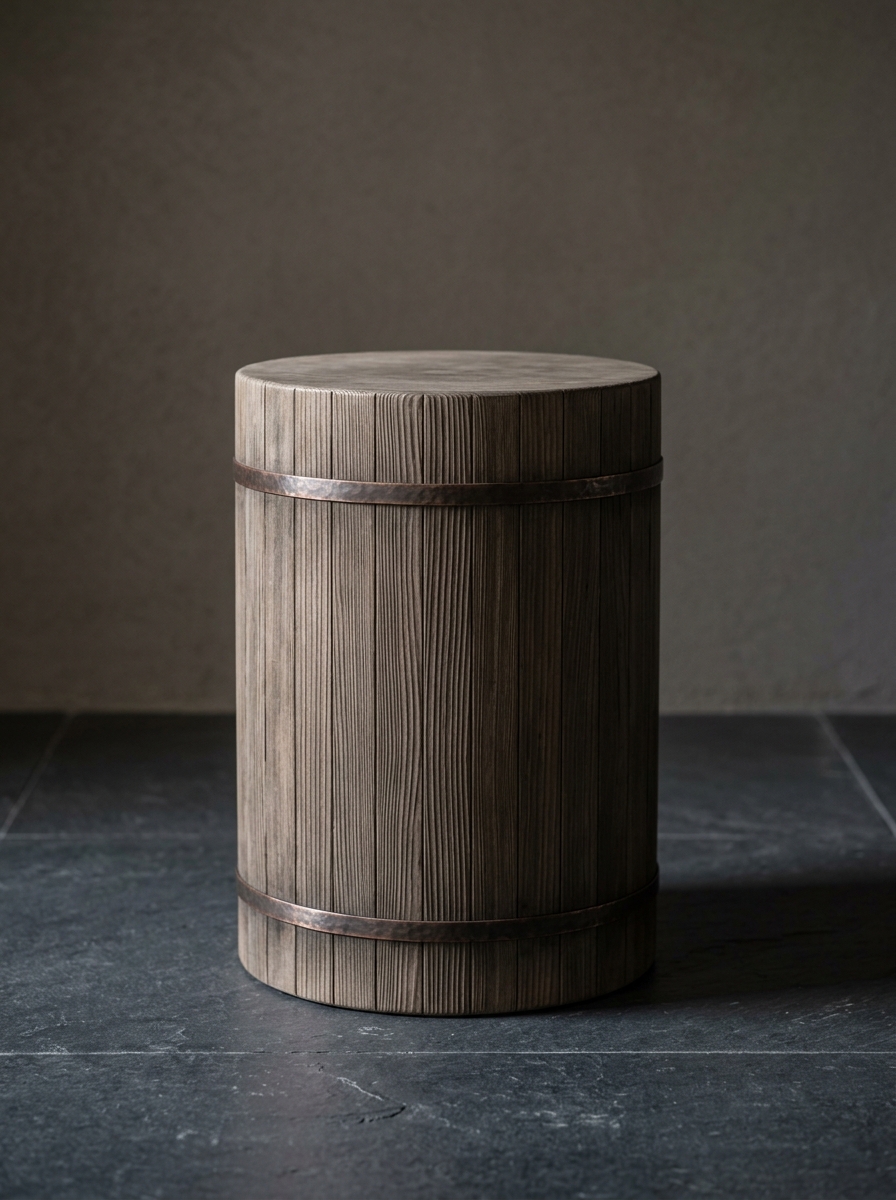
Ki-Oke Jindai-Sugi Stool
Developed with OeO Studio in Copenhagen from volcanic-ash buried cedar over two millennia old. Thick vertical staves bear full structural weight with two recessed copper bands.
Dimensions
Ø 310 × H 440 mm
Lead Time
5–6 months
¥528,000
Kiso Sawara · Daily Vessels
Ohitsu Rice Tub & Yoke Bucket
Soft, resin-light Kiso Sawara draws excess steam from freshly cooked rice while keeping grains glossy. Available individually or paired with a matching bath bucket.
Capacity
3-gō / 5-gō (Ø 210 mm)
Lead Time
6–8 weeks
¥55,000
Yoshino Hinoki · Mirror Planed
Katakuchi Sake Set & Re-Hooping
Finished strictly with a razor-tuned steel kanna rather than sandpaper, leaving timber cells sliced cleanly shut so liquid beads naturally on the raw grain.
Set Includes
Carafe + 2 Guinomi
Lead Time
4–6 weeks
¥38,500
02 / Material & Geometry Workbench
Three woods, one pressure lock.
Every vessel begins by selecting straight-grained quartersawn heartwood (masame) split along natural fibers. Compare how each timber behaves under moisture, bevel tension, and time.
How does a bucket hold ice water overnight with zero glue between 22 individual planks?
Kiso Valley · 250-Year-Old Growth
Kōyamaki — Waterproof Oil Density
SPEC: KY-22-CU
Air Drying
12–15 yrs
Stave Count
22 staves
Joint Bevel
8.18° / side
Wall Width
13.5 mm
Kōyamaki resists decay better than almost any Japanese conifer. When filled with chilled water and ice, the outer fibers expand microscopically against the hand-braised copper rings, locking every seam dry on the exterior.
03 / Hira Workshop, Shiga
Moved to the mountain air in 2003.
Shuji Nakagawa trained under his father, Living National Treasure Kiyotsugu Nakagawa, in central Kyoto before establishing the independent Hira Workshop on the western shore of Lake Biwa.
Kiln-drying rushes cedar and fractures cell walls. Stacked beneath wide eaves facing Mount Hira, raw planks season through lake winters and summer rains for over a decade before a hand plane ever touches them.
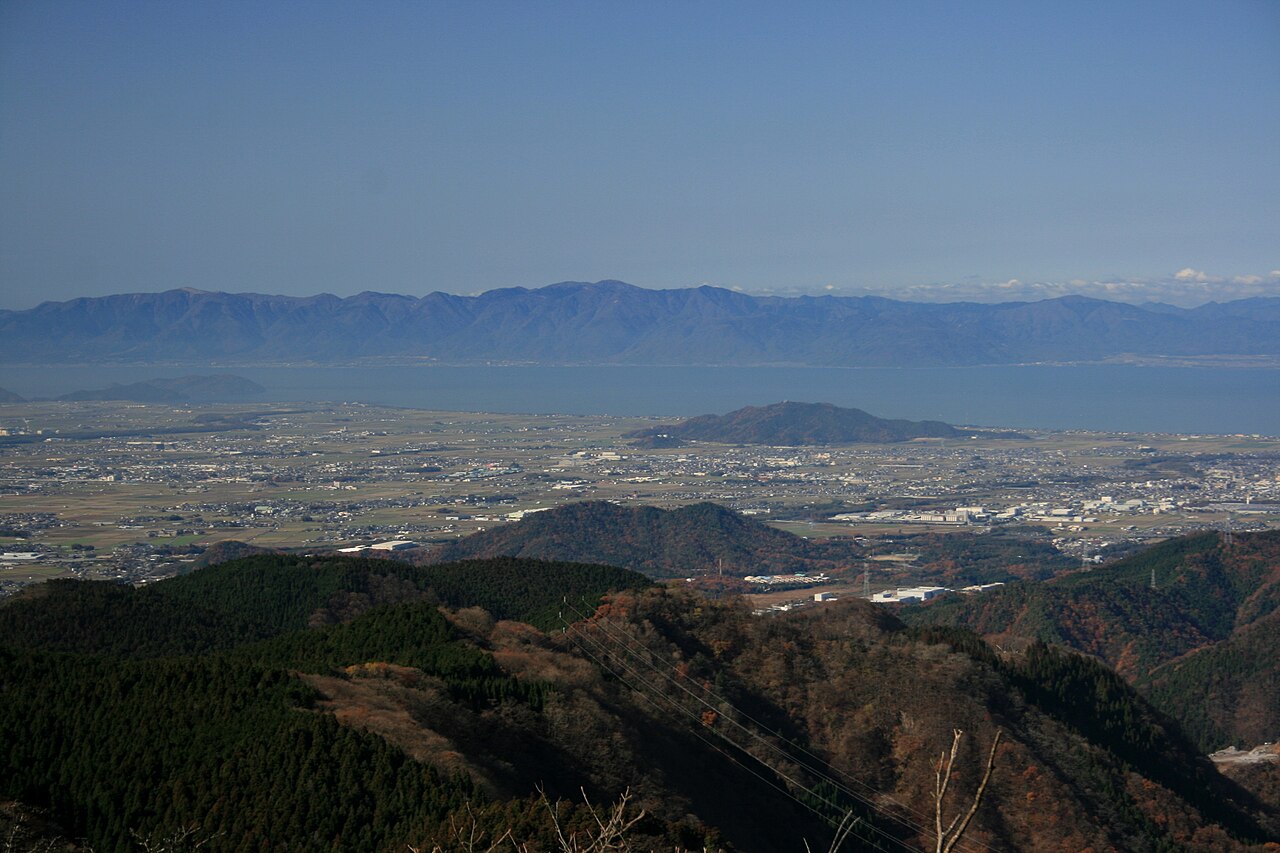
The Hira range seen across Lake Biwa — humid valley air steadies timber shrinkage year-round.
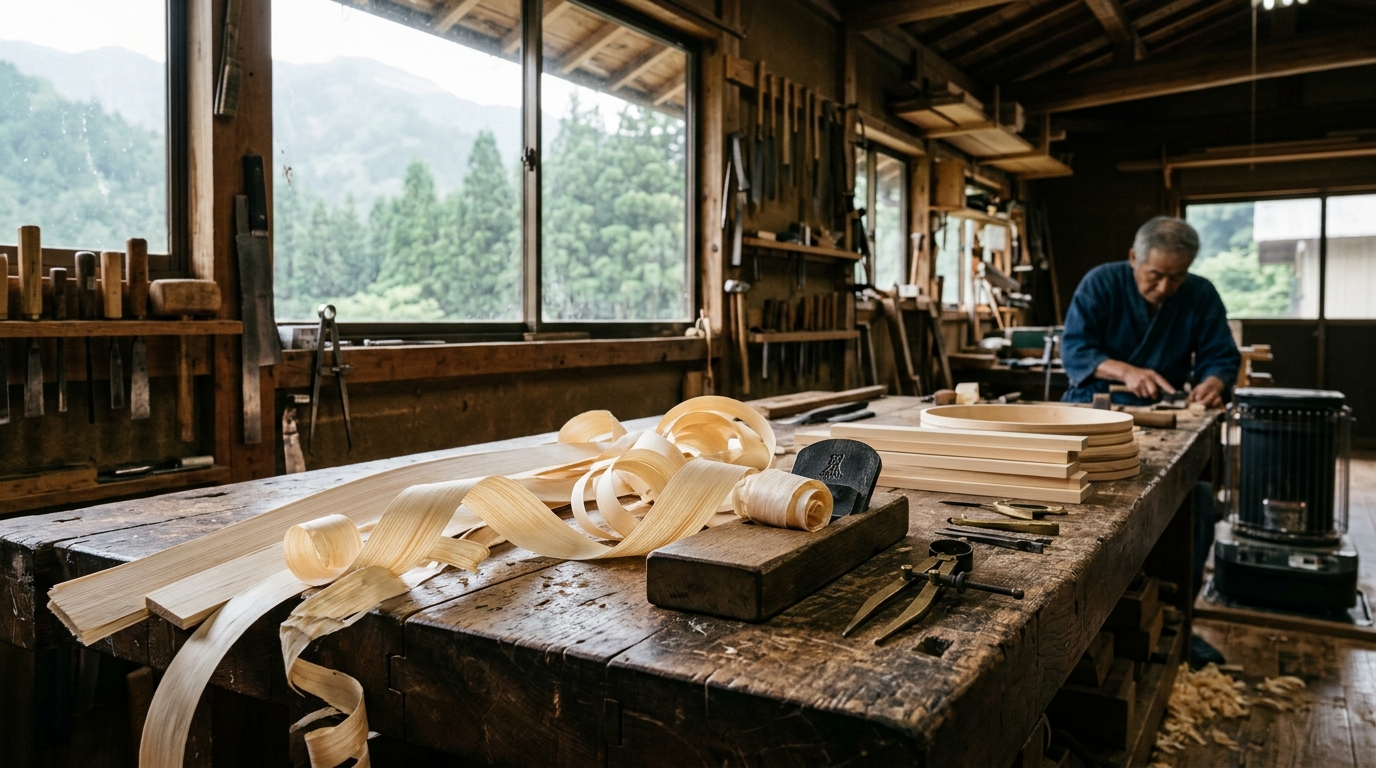
Main planing bench at 419 Hachiyado, Otsu — shavings gauged under 0.04 mm.Est. Hira Studio 2003
Notes from Kitchens & Studios
“We have run two Sawara rice tubs through dinner service six nights a week since 2019. Neither seam has opened a fraction of a millimeter, and the rice stays loose until the last seating.”
“The Jindai-sugi stool arrived crated in paulownia and smelled faintly of wet forest soil. No lacquer, just a blade finish you can feel with your thumb.”
“After four winters in a dry apartment our cooler hoop loosened slightly. I mailed it back to Otsu and Shuji-san tapped it tight and re-planed the base rim within ten days.”
04 / Practical Care & Lead Times
Before you commission a piece.
Why do vessels take 6 weeks to 6 months to finish?+
Rough-shaped staves are left resting in the workshop for several weeks after initial cutting so internal wood stresses settle before final joint planing and copper hoop driving. Rushing this pause causes hairline leaks months later.
How do I keep dry wood from shrinking in winter heating?+
Keep vessels out of direct sunlight and away from radiator vents. After rinsing with cool water, wipe dry with a clean cotton cloth and let air circulate upside-down on a slatted rack rather than sealing wet wood inside a cabinet.
Can loose copper hoops be tightened years later?+
Yes. Traditional ki-oke vessels are built to be serviced for decades. If a hoop ever slips after years in dry climate, fill the vessel with cold water overnight so staves swell, or return it to Otsu for workshop re-hooping and fresh interior planing.
Can I visit the Hira Workshop near Kyoto?+
Because Hira is an active woodworking bench rather than a walk-in storefront, studio visits are scheduled in advance (09:00–18:00). We are 35 minutes north of Kyoto Station along the JR Kosei Line.
Direct Bench Allocation
Reserve upcoming timber stock or schedule a studio visit.
Tell us which edition, timber, or custom restaurant dimensions you need. We reply directly from the Otsu studio with current seasoning stock and an exact delivery window.
Workshop Dispatch Details
Workshop
419 Hachiyado, Otsu, Shiga 520-0515
Hours
09:00 – 18:00 JST (By appointment)
Shipping
Japan & insured worldwide crates
Ki-Oke Physics
Dry-Fit Tension & Bamboo Dowels
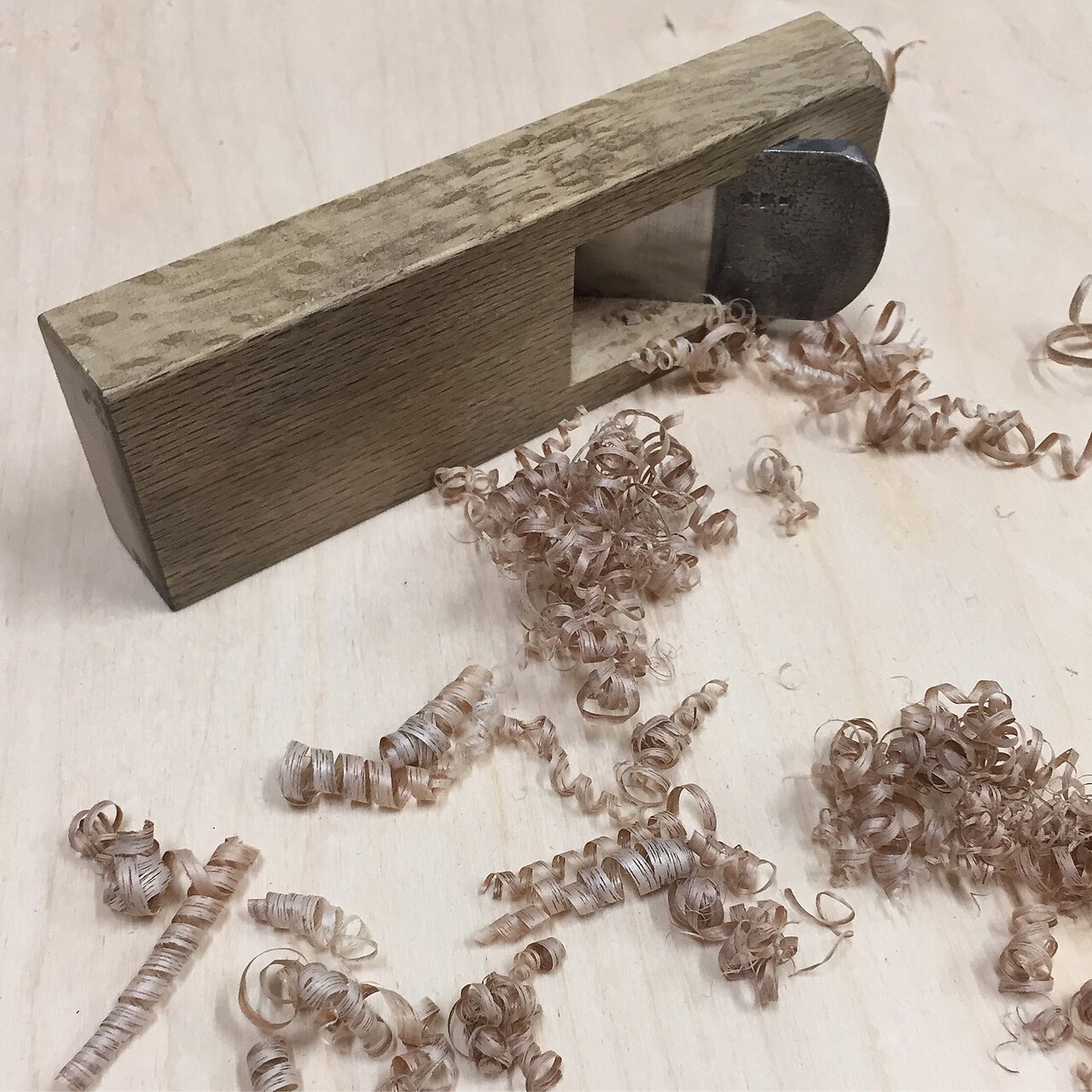
Each vertical stave is planed along a compound radius using a curved shōjiki-dai bench plane so adjacent faces meet flush across their entire 13.5 mm depth, aligned with tiny hidden bamboo pins (take-kugi) purely for assembly positioning.
Two slightly undersized copper hoops are hammered down the 3.8° conical wall. When water touches the inside grain, natural radial swelling multiplies inward hoop compression—sealing the vessel completely without a single drop of adhesive.